Pay Incentives in Eye Care
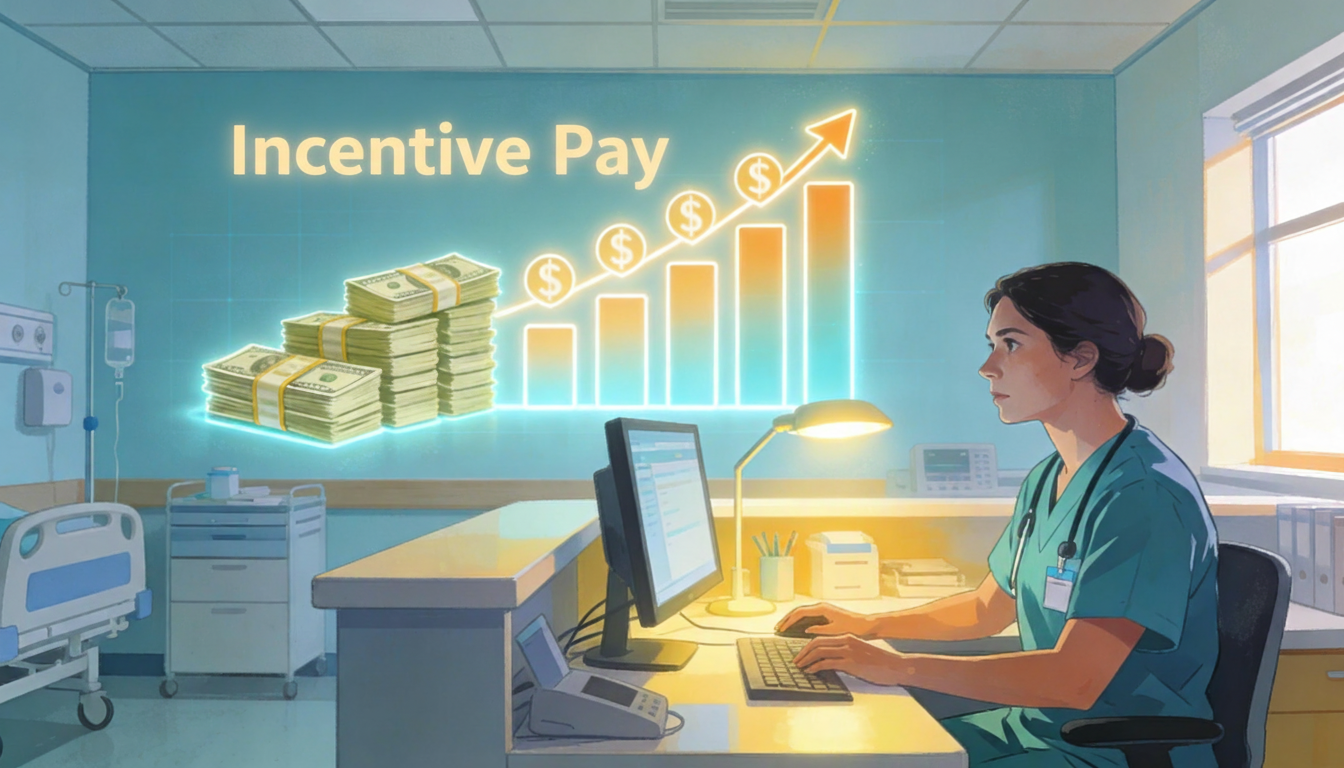
Incentive pay can be a powerful way to boost motivation — but only if you do it right.

Incentives can help in ophthalmology, but only when they are clear, fair, and matched to the right jobs.
What “Incentives” Mean in Eye Care
In this post, incentives means bonuses and productivity pay on top of regular wages. In ophthalmology and optometry practices, this often shows up as:
A clinic-wide bonus when the practice hits a monthly or quarterly revenue goal.
Extra pay for roles that drive sales, such as opticians, LASIK counselors, or aesthetics staff.
Short-term “stay” or retention bonuses during times of high turnover or change.
Here’s how you can explain it to your team: base pay is for steady, reliable work; incentive pay serves to motivate a higher level of performance while giving employees a true shared benefit with the clinic wins.
Where Incentives Work Best in Ophthalmology
In plain language, incentives work best when staff can clearly see how their actions affect the bonus. This is easier in roles where output is easy to measure, like optical sales or premium procedure conversions. In those areas, bonuses are common and can make a real difference in pay.
Another time when incentives work well is when they are on top of existing good wages. In this case, the incentives will be seen as giving them a share of the wins that the clinic is experiencing.
Lastly, don’t expect incentives to work on everyone, especially if they only add a small percentage to a person’s pay. Some people are more money-focused than others and those people will work really hard to exceed targets. Others will continue to do a solid (or maybe not-so-solid) job because they take pride in their work. I’ve seen a wide array of drive to hit small/modest incentive targets and some people just aren’t going to bend over backwards for it — and that doesn’t mean they are bad, or even mediocre, workers.
Here’s how you can use this in your practice:
Tie optician bonuses to frame, lens, and add-on sales over a simple baseline so the team can track progress on reports from your EHR or POS.
Share a small, team-based bonus with techs and front-desk staff when the clinic hits visit or same-day collection goals. I see this as more of a “team spirit” goal with small behavior-changing effects.
Keep physician and APP productivity pay in a separate structure so staff incentives do not get mixed up with provider compensation.
Offer an incentive to supplement staff pay when they hit key metrics.
Why Many Incentive Plans Fall Flat
In many eye care practices, bonus plans do not change behavior as much as leaders hope. When staff average the bonus over the year, it may only equal an extra 1–2 dollars per hour at best. That can feel too small to drive different choices, especially if the base pay is below market.
Another concern to watch out for with incentive pay — employees on the front lines may expect a certain base wage and not want a large part of their pay to be unknown or unpredictable. Incentive pay is usually best done as an addition to a good wage rate, not in the place of a good wage rate (related — listen to my recent podcast on the topic of compensation planning).
One weakness of some incentive plans is that they aren’t clearly tied to an individual’s performance. A bonus for the entire clinic hitting a goal at the end of the year is very fair removed from each person’s day-to-day behaviors. Group incentives can work, but the group should be able to tie a clear line to their daily actions and the pay-related outcomes. Same for individual incentives — a clear relationship should exist between what you input and what you get in return.
Another issue that can arise is when incentives lead to gaming the system or employees over-focusing on one goal (e.g., speed) to the detriment of others (e.g., quality).
One final way that incentive pay can lose its motivating power is when the outcomes are out of the employee’s control. For example, a poor economy can seemingly hurt someone’s chances of making sales numbers and therefore reduce their satisfaction.
Here’s how you can check if a plan might be worth it:
Estimate the likely annual bonus per role and convert it to an hourly number; then ask if a simple raise would have the same or better impact.
Look at the time your managers spend tracking numbers, explaining rules, and fixing errors; if the plan is too complex, trust drops and frustration rises.
Ask employees what matters most in stay interviews or quick surveys; many will say schedule, workload, and treatment by leaders matter more than small bonuses.
Base Pay vs. “At-Risk” Pay
Most clinic staff see base pay as “real” and incentive pay as “maybe.” This is especially true for front-desk staff, techs, and scribes who rely on steady income for basic bills. Putting a big part of their pay at risk can make hiring and retention harder, even if there is upside.
Consider these guardrails:
Keep incentives for non-sales, non-physician roles as a small share of total cash pay… 5–10% at most.
Make the bonus formula simple enough that staff can walk through a sample calculation in a staff meeting. Complex formulas invite constant tweaking, argumentation, and confusion, all of which are counterproductive.
Avoid tying bonuses to things staff cannot control, like payer mix or last-minute schedule changes by providers.
Can You Use Base Wages to Pay for Performance?
One big gap in many ophthalmology clinics is how little base pay changes between average and top performers. A tech who helps a doctor see twice as many patients in a day often earns only a little more than someone who struggles. That sends the message that performance does not really matter.
Without setting up a complex incentive plan, you can still create pay differences based on performance. Here’s how:
Use clear skill and impact levels for roles like technicians and scribes, and pay your top performers 30–50% more if they consistently drive better throughput and fewer errors.
Document what “top performance” looks like using things like accuracy, speed, patient feedback, physician feedback, cross-trained skills, and reliability. Many of those things are hard to quantify objectively, but you can score employees on these things.
Create clear growth paths for staff so that they can move into higher pay scales as they begin doing more responsible work.
With some basic documentation, you can easily justify differential pay rates and it doesn’t require complex pay structures.
Incentives are Not the Whole Answer
Money alone will not fix deeper problems in an eye care clinic. Staff leave for many reasons: poor communication, burnout, disrespect from leaders, confusing processes, and schedule issues. Incentives can help, but only as one piece of a larger plan for employee engagement in clinics.
Here’s how you can support retention beyond bonuses:
Hold regular one-on-ones and short “stay interviews” to learn why good people might be thinking about leaving before they actually do.
Review pay, benefits, and schedules at least once a year to make sure they still work for your team and your market.
Build simple recognition habits—thank-yous in huddles, small wins boards, growth opportunities—so staff feel noticed even when bonuses are not large.
Read my blog post on staff retention in ophthalmology here.
When to Bring in Outside HR Help
Designing incentive plans that are fair, legal, and effective takes time and expertise. It involves
wage-and-hour laws,
best practices for staff retention,
research to understand market pay rates and,
your unique culture
Navigating these complexities alone can be daunting, especially while you are also managing patient care and clinic operations.
Contact me if you want help with your staff compensation pay plan — get expertise without adding to your already-busy workload.
Clear Takeaway: Do Incentives Work in Ophthalmology?
Incentives can work in ophthalmology and eye care when they are:
Built on fair base pay and a healthy culture.
Simple, transparent, and tied to metrics staff can influence.
Focused on the right roles, especially where output is easy to measure.
They usually do not work when they are overly complex, are paired with a low base wage, or are used as a shortcut instead of fixing workload and leadership issues. If you get the basics right and then add well-designed bonuses and productivity pay, incentives can support better performance, reduce healthcare turnover, and make your practice a more stable and engaging place to work.
References
https://ophthalmologymanagement.com/issues/2024/july/best-practices/
https://reviewob.com/the-staff-bonus-plan-that-helped-build-a-1-million-practice/
https://www.reviewofophthalmology.com/article/the-secret-to-an-effective-bonus-program
https://medicalpmrg.com/blog/incentive-compensation-for-optometrists-and-opticians
https://bucketlistrewards.com/blog/healthcare-retention-bonus/
https://www.seasoned-advice.com/blog/ophthalmology-staff-retention-basics
https://ophthalmologymanagement.com/issues/2025/may/challenges-to-staff-retention-in-ophthalmology/
https://www.medscape.com/slideshow/2020-compensation-ophthalmologist-6012740
https://ophthalmologymanagement.com/issues/2024/july/enhancing-practice-performance/
https://www.ophthalmologytimes.com/view/productivity-may-be-key-factor-successful-practice
https://www.revolutionehr.com/blogs/proven-employee-retention-strategies
https://americanhealthcareleader.com/2025/how-healthcare-benefits-drive-retention-and-wellness/
Free HR Resources for Ophthalmology Clinics
Complete the form and immediately get ALL of my free downloadable resources.
BONUS - Subscribers who sign up for news and updates will get a biweekly newsletter with HR updates, leadership tips, and more.
To get it - sign up now!
